
Mining consultancy: the strategic discipline behind modern mining excellence
At STX Technologies we understand that mining consultancy is far more than an external advisory service: it is a strategic discipline that combines deep technical knowledge, operational experience, regulatory expertise and an outside perspective that allows mining operations to identify blind spots, optimise performance and unlock value that would otherwise remain hidden
What is mining consultancy and why does it matter?
Mining consultancy is the professional practice of providing specialised technical, operational, strategic and regulatory advisory services to organisations involved in mineral exploration, mine development, mine operation, processing, environmental management and mine closure. It covers the full life cycle of a mining project, from very early-stage exploration through to post-closure rehabilitation, and brings together engineering, geology, metallurgy, environmental science, social performance, regulatory affairs and business strategy in a single integrated discipline.
Core areas typically covered by mining consultancy:
- Resource geology, exploration and resource estimation.
- Mine planning, design and scheduling.
- Geotechnical engineering for pit slopes, underground excavations and tailings.
- Process and metallurgical engineering for mineral processing plants.
- Drilling and blasting design and optimisation.
- Mining technology selection (automation, fleet, software, explosives).
- Environmental impact assessment and management.
- Water, tailings and waste management.
- Mine closure planning and progressive rehabilitation.
- Health, safety, environment and community (HSEC) systems.
- Regulatory compliance and approvals strategy.
- ESG performance, climate and sustainability advisory.
- Project economics, feasibility studies and capital allocation.
- Operational due diligence for M&A and project financing.
- Organisational design, training and operational readiness.
This breadth is what makes mining consultancy a true multi-disciplinary practice rather than a single technical service.
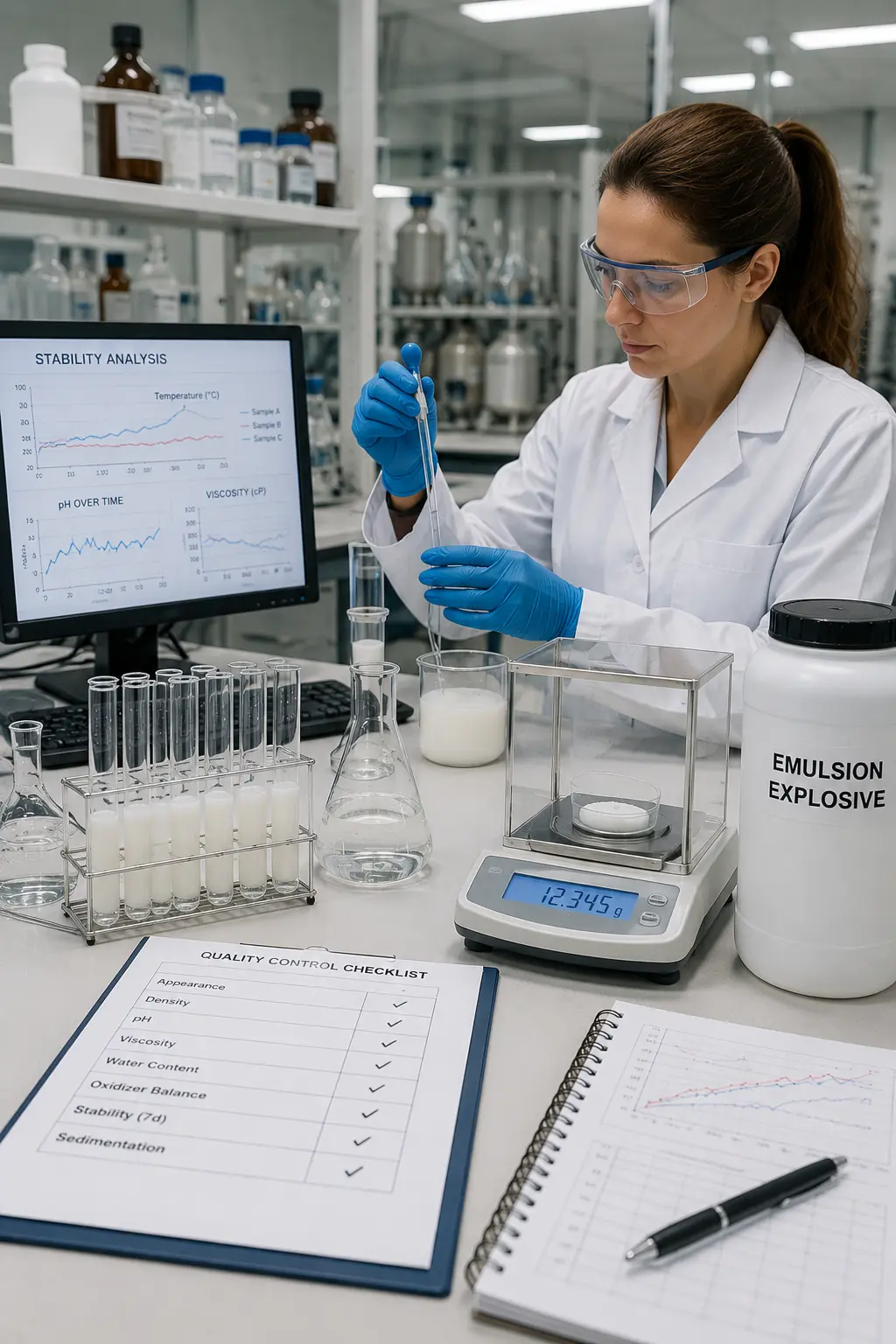
Why operators engage mining consultants
Operators engage mining consultants for several recurring reasons, each tied to a structural feature of the industry:
| Driver | Why operators choose external consultants |
|---|---|
| Specialised technical depth | Some disciplines are too narrow to staff internally |
| Independent perspective | External eyes catch issues that internal teams normalise |
| Project-based demand | Studies and approvals require temporary capacity peaks |
| Cross-operation experience | Consultants apply lessons from many mines, not one |
| Regulatory and ESG expertise | Standards evolve faster than internal teams can track |
| Investor and lender requirements | Independent reports are often a financing condition |
| Critical decisions | High-stakes decisions benefit from external validation |
| Knowledge transfer | Consultants can build internal capability while delivering |
To see how technical consultancy connects with the broader Australian mining ecosystem, visit our Australian mining industry page.
The role of mining consultants today
Mining consultants are the professionals who deliver mining consultancy services. They are typically experienced engineers, geologists, metallurgists, environmental scientists, regulatory specialists or operations leaders who have moved into advisory roles after substantial industry experience. Their value comes not only from technical knowledge but from the combination of that knowledge with cross-operation perspective, methodological rigour, independence from internal politics and the ability to translate complex technical issues into decisions that boards, investors and regulators can act on.
The role of mining consultants has expanded considerably over the past two decades. Traditionally focused on technical engineering and feasibility studies, modern consultants are now expected to integrate technical analysis with ESG considerations, community engagement, climate risk, supply chain resilience and the rapid evolution of mining technology. The best consultants today are not pure technicians but technical strategists.
Common profiles of senior mining consultants:
- Mining engineers with decades of open-pit, underground or technical services experience.
- Geologists and resource specialists focused on exploration, modelling and reserve reporting.
- Metallurgists and process engineers specialising in comminution, flotation, leaching or refining.
- Geotechnical engineers focused on slope stability, ground control and tailings.
- Drill and blast specialists focused on fragmentation, vibrations and explosives engineering.
- Environmental and social specialists focused on impact assessment and community engagement.
- Regulatory and compliance experts covering safety law, environmental law and permitting.
- ESG and climate strategists advising on reporting frameworks, decarbonisation and risk.
- Operational leaders focused on productivity, organisational design and operational readiness.
- Financial and strategic advisors focused on project economics, M&A and capital allocation.
How a good mining consultant adds value
A good consultant mining professional adds value not by reproducing what the operator already knows, but by combining technical depth with external benchmarking, methodological discipline and an independent perspective. The clearest signs of value-adding consultancy include:
- Findings that the internal team could not have produced alone.
- Recommendations that are technically sound and operationally implementable.
- Clear quantification of expected benefits and associated risks.
- Practical implementation plans, not just theoretical analysis.
- Knowledge transfer that strengthens the operator’s internal capability.
- Documentation that withstands regulator, investor and auditor scrutiny.
Operators that engage consultants only for a final report typically extract limited value. Operators that engage consultants as integrated partners in defined work programs systematically achieve better outcomes.
Consultant mining: the integrated technical and strategic perspective
The expression consultant mining captures something important: the work of a mining consultant is increasingly integrated, blending technical engineering with strategic thinking. A consultant who only diagnoses problems but does not connect them to economic, regulatory and stakeholder dimensions delivers limited value in modern mining. A consultant who only thinks strategically without technical depth lacks the credibility to influence operational decisions. The best mining consultancy work always combines both.
How the integrated consultant mining approach works in practice:
- Diagnostic phase — Detailed technical and operational assessment based on data, site visits and benchmarking.
- Strategic framing — Connection of technical findings to business priorities, market context and regulatory environment.
- Option generation — Multiple solution pathways, each with quantified costs, benefits, risks and timelines.
- Decision support — Clear recommendations supported by sensitivity analysis and assumptions transparency.
- Implementation planning — Roadmap with milestones, resources, governance and KPIs.
- Capability transfer — Training, coaching and documentation so the operator can sustain results.
For a deeper view of how integrated technical consultancy connects to specific technical disciplines such as blasting, explore our emulsion technology page.
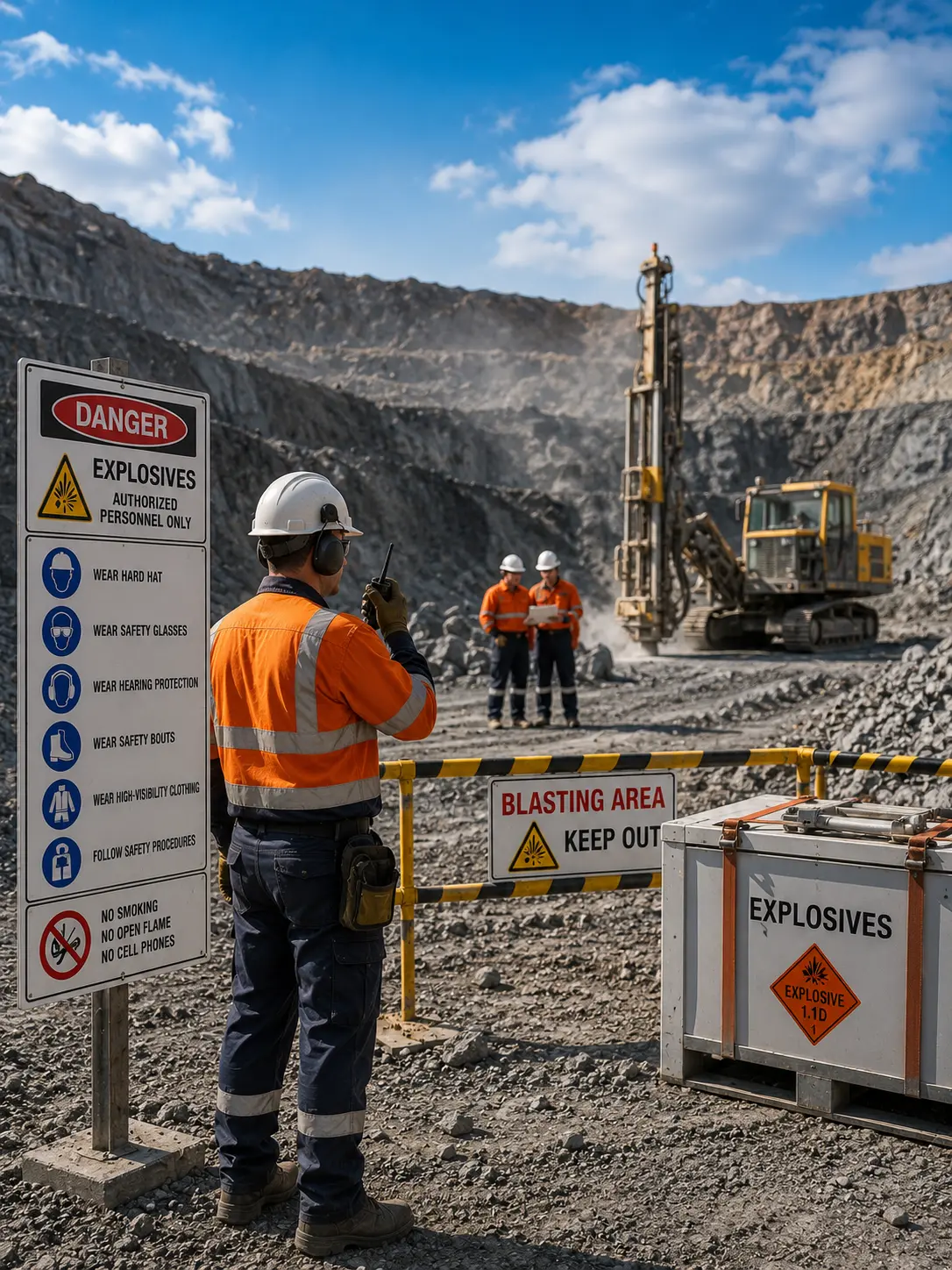
Technical specialisations within mining consultancy
The breadth of mining consultancy is wide, but within it sit several highly technical specialisations that often determine the operational success of a mine. Understanding these specialisations helps operators select the right partners for each specific challenge.
Key technical specialisations within mining consultancy:
- Geology and resources — Exploration, modelling, JORC reporting, ore body knowledge.
- Mine planning — Short, medium and long-term planning, scheduling, optimisation.
- Geotechnics — Pit slope stability, underground ground control, tailings dam safety.
- Mining method selection — Open-pit, underground, in-situ leaching, hybrid methods.
- Drilling and blasting — Blast design, fragmentation, vibrations, explosives selection.
- Mineral processing — Crushing, grinding, flotation, leaching, refining, recovery.
- Materials handling — Conveyors, trucks, rail, ports, logistics.
- Maintenance and reliability — RCM, predictive maintenance, asset management.
- Automation and digital — Autonomous fleets, AI, data analytics, digital twins.
- Energy and water — Power supply, renewable integration, water balance.
- Tailings — Storage facility design, governance, GISTM compliance.
- Environmental — EIA, biodiversity, air quality, rehabilitation, closure.
- Social and community — Engagement, Indigenous partnerships, social investment.
- HSE and process safety — Risk management, audits, regulatory compliance.
The future of mining consultancy
Looking ahead, the mining consultancy discipline is evolving in important ways. The forces shaping its evolution include the rising importance of ESG and climate, the rapid adoption of digital and automation technologies, the increased complexity of regulatory frameworks, the geopolitical reshaping of critical mineral supply chains and the growing expectations of communities, investors and governments.
Key trends shaping mining consultancy in the coming decade:
- Greater integration of ESG and climate into all technical engagements.
- Deeper use of data, AI and digital twins in consulting methodologies.
- Increased focus on critical minerals supply chain advisory.
- Expansion of independent technical expert work driven by lender requirements.
- Stronger emphasis on operational implementation versus theoretical reports.
- Continued internationalisation of Australian consultancy expertise.
- Growth in tailings, water and closure consultancy driven by regulation.
- Increasing demand for First Nations and Indigenous engagement expertise.
- Premium on consultants who combine technical depth with strategic perspective.
The consultancy firms and individuals that thrive in this evolving landscape will be those who maintain world-class technical depth while broadening into integrated advisory across ESG, digital and strategic dimensions. The role of mining consultancy as a strategic discipline — not just a technical service — will only grow stronger.
Frequently asked questions about mining consultancy
What exactly does mining consultancy cover?
Mining consultancy covers the full range of technical, operational, strategic and regulatory advisory services across the entire mining life cycle. This includes exploration and resource modelling, mine planning and design, geotechnical engineering, drilling and blasting, mineral processing, environmental and social impact assessment, regulatory compliance, ESG and climate advisory, tailings and water management, mine closure, capital project execution, operational improvement and strategic advisory for M&A and investment decisions. The unifying feature is the application of specialist expertise to support better decisions across complex, capital-intensive and long-dated mining projects.
What is the difference between mining consultants and mining contractors?
Mining consultants provide advisory services — analysis, design, recommendations and strategic guidance — while mining contractors deliver physical execution of operations such as drilling, blasting, hauling, processing or construction. Consultants are typically engaged for their expertise and independence; contractors are engaged for their operational capability and capacity. The two roles complement each other but are distinct. In modern mining, the most successful operators use consultants to design and optimise strategies, and contractors (or internal teams) to execute them under robust governance frameworks.
How do mining consultants Australia compare with international consultants?
Mining consultants Australia are widely regarded as among the most experienced and methodologically rigorous in the world. This stems from Australia’s deep operational mining base, world-class regulatory frameworks, strong engineering institutions and rigorous safety culture. Australian consultants also bring extensive experience advising international clients across Africa, South America and Asia, transferring best practices developed in Australian operations. This international exposure makes Australian consultants particularly well-positioned to support both domestic and global mining clients, especially in iron ore, gold, lithium, coal, copper and critical minerals.
How do I decide when to engage a mining consultancy versus building internal capability?
The right balance between internal capability and external consultancy depends on the frequency and criticality of the need. Capabilities that are needed continuously and are core to operational performance should generally be developed internally — for example, daily mine planning, operations and maintenance. Capabilities that are needed periodically, require very specialised expertise, demand independence or carry high decision risk are better delivered through external consultancy — for example, feasibility studies, regulatory approvals, due diligence, ESG strategy, major capital project independent oversight and operational improvement programs. Many operators use a hybrid model where consultants deliver alongside internal teams to transfer capability over time.
What does a typical consultant mining engagement cost and how is return measured?
Mining consultancy costs vary widely depending on scope, duration, seniority and complexity, from short focused diagnostics through to multi-month feasibility studies and multi-year improvement programs. Return is best measured by tying engagement objectives to quantifiable outcomes — for example, percentage reduction in blasting cost, percentage increase in plant throughput, reduction in unplanned downtime or acceleration of project schedule. The most successful operators define expected returns before the engagement, track them during delivery and audit them after completion. Engagements that consistently return multiples of their cost share common features: clear scope, strong sponsorship, decision-ready output and disciplined implementation.
Why is mining consultancy expanding into ESG, climate and critical minerals advisory?
The mining industry is being reshaped by global megatrends: the energy transition is driving demand for critical minerals such as lithium, nickel, cobalt and rare earths; climate pressure is forcing operators to decarbonise; investor and lender expectations are tightening ESG disclosure requirements; and community expectations are rising. As a result, mining consultancy has expanded well beyond traditional engineering to encompass ESG strategy and reporting, climate risk and decarbonisation planning, Indigenous and community engagement, critical minerals supply chain advisory and integrated sustainability programs. The most effective mining consultants today combine deep technical expertise with these strategic dimensions, advising clients on how to thrive in a rapidly evolving regulatory, investment and stakeholder landscape.