
Australian mining industry: a complete technical and strategic overview
At STX Technologies we understand that the Australian mining industry is one of the most sophisticated, capital-intensive and globally integrated mining ecosystems in the world.
What is the Australian mining industry?
The Australian mining industry is the sector responsible for the exploration, extraction, processing and export of mineral resources within Australia. It is one of the cornerstones of the Australian economy and a leading global supplier of critical minerals. From massive iron ore operations in the Pilbara to advanced lithium projects in Western Australia, from coal mining in Queensland and New South Wales to bauxite and gold extraction across multiple states, Australian mining covers virtually every major commodity that powers the modern world.
What sets Australian mining apart is not only its scale, but also the integration between technology, engineering, regulation, environment, community engagement and workforce development. It is, in essence, a mature industry where operational decisions are guided by data, science and rigorous safety standards.
Key facts about the Australian mining industry:
- One of the largest mining sectors globally by export value.
- Major contributor to GDP, employment and government revenue.
- World leader in iron ore, lithium, bauxite and coal exports.
- Operations across all states and territories, with WA dominating output.
- Strong integration with global supply chains in steel, batteries and energy.
- High standards in workplace safety, environmental compliance and ESG reporting.
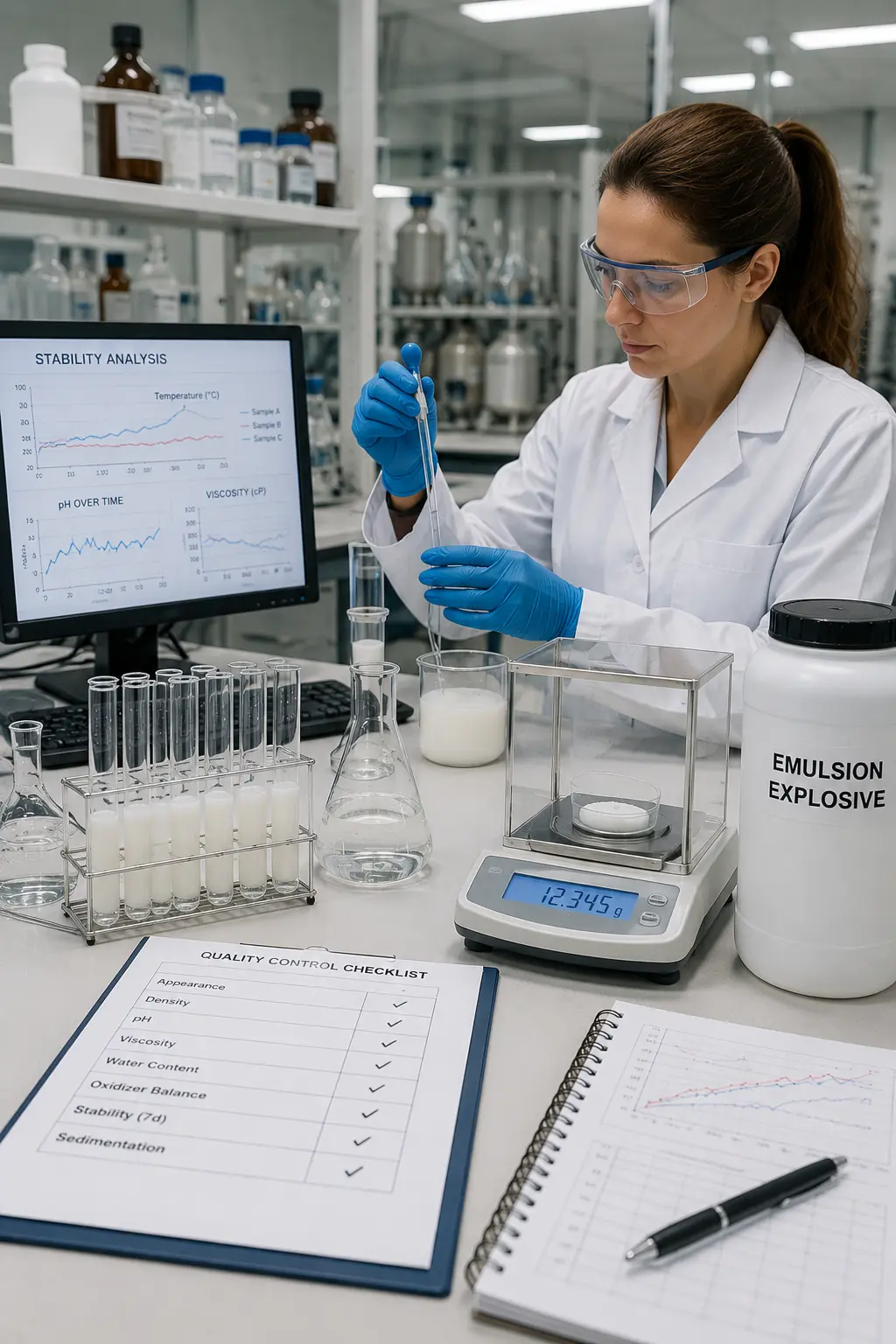
Structure of the mining industry in Australia
The mining industry in Australia is structured around several layers that work together to deliver world-class operations. Understanding this structure is essential to see how innovation, capital, regulation, technology and people connect into one of the most productive mining systems in the world.
Main layers of the Australian mining ecosystem:
- Resource owners – Major and mid-tier miners operating mines and processing plants.
- Service providers – Drilling, blasting, transport, maintenance, contractors.
- Technology suppliers – Equipment manufacturers, software, automation, explosives.
- Engineering consultancies – Design, feasibility studies, operations support.
- Regulators – State and federal authorities for safety, environment, royalties.
- Investors – Local and global capital markets financing exploration and projects.
- Communities – Indigenous groups, local councils, regional partners.
- Research institutions – Universities, CSIRO, CRCs driving innovation.
Distinctive features of the Australian mining model:
- High level of automation and digitalisation across operations.
- Strong safety culture supported by clear regulatory frameworks.
- Mature engineering and technical services market.
- Robust environmental management and rehabilitation standards.
- World-class workforce with extensive technical training systems.
- Deep integration with global commodity markets.
- Active engagement with Indigenous communities and traditional owners.
This layered structure allows the industry to evolve continuously, adopt new technologies and respond to global commodity cycles with greater resilience than many competitors. For an in-depth view of how technical advisory supports these operations, visit our mining consultancy page.
Mining Western Australia: the engine room of the Australian industry
When professionals around the world talk about mining Western Australia, they are referring to what is arguably the most productive mining region on the planet. WA is home to the Pilbara iron ore province, the Goldfields region, the Kimberley, world-class lithium operations and emerging battery mineral developments. The state combines geological abundance, established infrastructure, advanced regulatory frameworks and a highly experienced mining workforce.
Key mining regions of Western Australia:
- Pilbara – The global epicentre of iron ore production.
- Goldfields-Esperance – Gold, nickel and lithium operations centred around Kalgoorlie.
- Mid-West – Iron ore, mineral sands and emerging rare earths.
- Kimberley – Diamonds (historically), lead, zinc, oil and gas.
- South West – Bauxite, mineral sands, lithium and gold.
- Great Southern – Lithium and developing critical mineral projects.
Why Western Australia leads the global iron ore market:
- Massive, contiguous high-grade ore deposits.
- Integrated rail and port infrastructure linking mines to export terminals.
- Decades of investment in heavy-haul rail systems.
- Highly automated mining fleets and operations centres in Perth.
- Strong supplier ecosystem from contractors to technology providers.
- Stable regulatory environment with predictable approvals.
The future of the Australian mining industry
Looking ahead, the Australian mining industry is positioning itself for major transformation. The drivers include the global energy transition, the rise of critical minerals, accelerated automation, AI integration, decarbonisation pressure and evolving geopolitical alignments. Operators that adapt early will capture the most value; those that lag may find their projects under pressure from investors, regulators and customers alike.
Key trends shaping the next decade:
- Continued growth in lithium, nickel, cobalt and rare earth production.
- Rapid expansion of downstream processing and refining in Australia.
- Adoption of electric and hydrogen-powered haulage fleets.
- Full deployment of autonomous mining systems in major operations.
- AI-driven optimisation of mine planning, blasting and processing.
- Integration of blockchain for mineral traceability.
- New mining-as-a-service models supported by digital twins.
- Increasingly tight ESG, climate and human rights expectations.
Strategic priorities for operators in the coming years:
- Build flexible operations that can adapt to fast-moving commodity cycles.
- Invest in workforce development, especially around new technologies.
- Deepen Indigenous partnerships and community engagement.
- Accelerate decarbonisation and Scope 1, 2 and 3 emissions reduction.
- Strengthen supply chain resilience and geographic diversification.
- Leverage data and AI to drive continuous productivity improvements.
- Anticipate regulatory evolution rather than react to it.
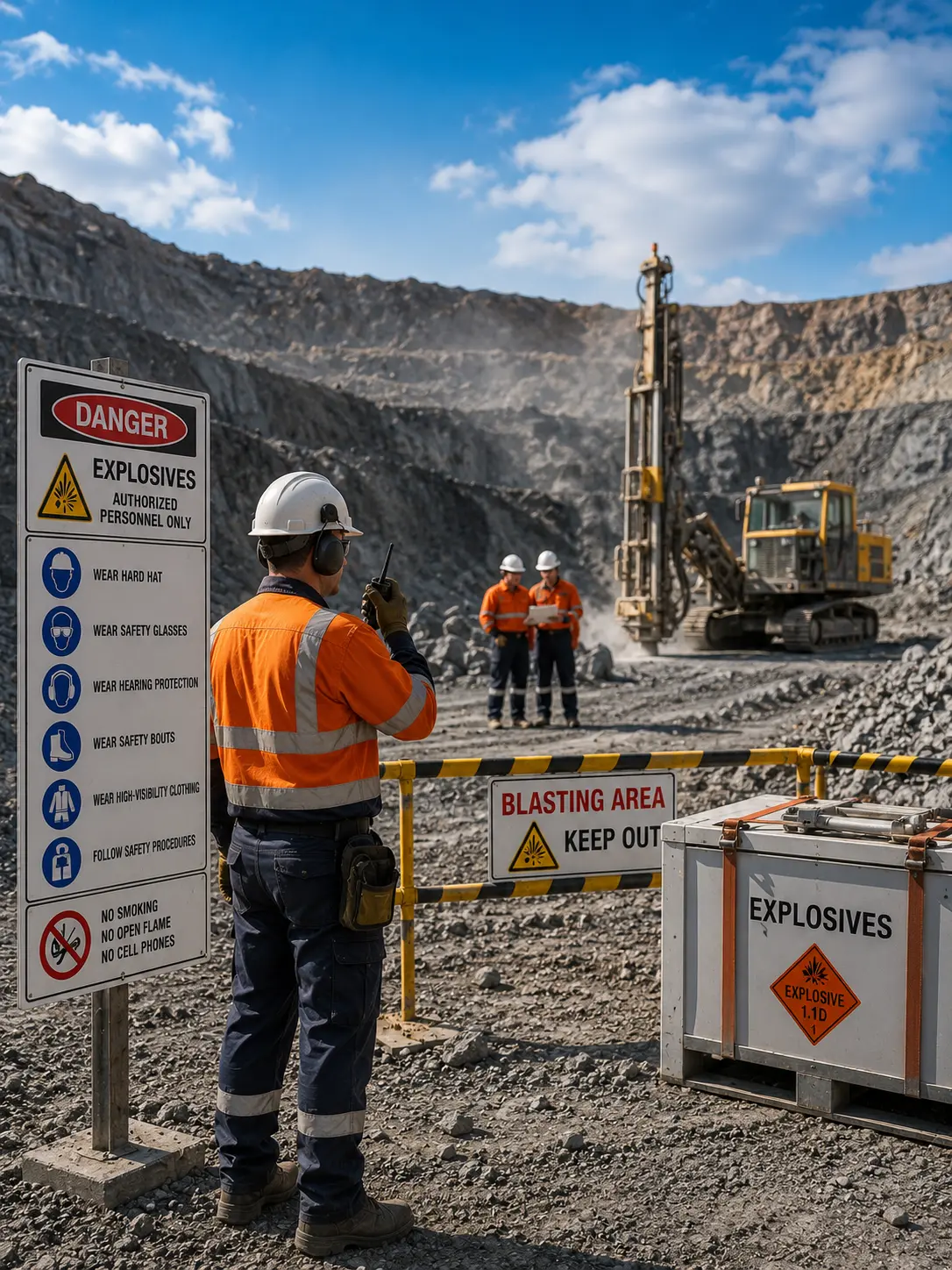
Safety, environment and community: the three pillars of modern Australian mining
Modern Australian mining is built on three non-negotiable pillars: safety, environmental performance and community engagement. None of them is decorative. They are operational, financial and strategic priorities that shape every decision, from project design to mine closure.
Safety in Australian mining:
- Robust legal frameworks at state and federal level.
- Comprehensive risk management and process safety practices.
- Continuous training, certifications and refresher programs.
- Strong incident reporting and root-cause analysis culture.
- Industry-wide adoption of automation to remove people from hazardous areas.
- Mental health and wellbeing programs integrated into safety strategy.
Environmental management:
- Detailed environmental impact assessments before approval.
- Active water management programs, particularly in arid regions.
- Air quality, dust and noise monitoring.
- Rehabilitation and progressive closure planning embedded from day one.
- Net-zero commitments and decarbonisation roadmaps.
- Increasing focus on biodiversity and ecosystem protection.
Community and Indigenous engagement:
- Formal agreements with traditional owners and Indigenous corporations.
- Local employment and procurement targets.
- Regional infrastructure investments through royalty schemes.
- Cultural heritage protection programs.
- Long-term community development partnerships.
- Transparency through public reporting and stakeholder engagement.
Frequently asked questions about the Australian mining industry
Why is the Australian mining industry so important globally?
The Australian mining industry is globally important because Australia is one of the largest producers and exporters of iron ore, lithium, bauxite, coal, gold and several other commodities essential to modern economies and the energy transition. The combination of large, high-grade resources, mature infrastructure, advanced engineering capability, stable governance and a highly skilled workforce makes Australia a benchmark for productive, safe and reliable mining operations. Its exports power steelmaking, battery manufacturing, electronics, defence and clean energy supply chains worldwide.
Which Australian state leads the mining industry in Australia?
Western Australia is by far the leading mining state in Australia, accounting for the vast majority of iron ore output and a leading share of lithium, gold, nickel and bauxite production. The Pilbara region is the engine room of WA mining, with massive iron ore operations connected to dedicated heavy-haul rail systems and export ports. Other states such as Queensland (coal, bauxite, copper), New South Wales (coal, gold), South Australia (copper, uranium) and the Northern Territory (manganese, lithium, gold) also play important roles, but WA stands as the global epicentre.
What are the leading lithium mining companies in Australia and what makes them competitive?
Australia hosts many of the world’s leading lithium operations, mainly producing spodumene concentrate from hard-rock pegmatite deposits. The competitive edge of these companies comes from large, high-grade reserves, established open-pit mining capability, strong infrastructure, proximity to Asian processing customers and increasingly, investment in downstream refining within Australia to produce lithium hydroxide. ESG performance, long-term offtake agreements and integrated processing capacity are becoming as important as resource quality in defining competitiveness.
How do mining recruitment agencies Australia support the sector?
Mining recruitment agencies in Australia connect skilled professionals with operators across all commodities and regions. They support the sector by providing rapid access to engineers, geologists, metallurgists, blast crews, operators, maintenance specialists and operations leaders. Specialised recruitment is critical because mining roles often require specific certifications, demanding rosters such as FIFO, and the right safety culture. A well-functioning recruitment ecosystem reduces operational downtime, improves safety outcomes, accelerates new project ramp-up and supports Indigenous and local employment programs.
How is the Australian mining industry positioned internationally?
The Australian mining industry is deeply integrated into global value chains: it exports the majority of what it produces, attracts strong foreign direct investment and exports expertise, technology and services to mining operations around the world. Australian engineers and consultants work on international projects in Africa, South America and Asia, transferring best practices developed in Australian operations. Strategic competitive advantages include geological endowment, political stability, mature regulation, world-class workforce, strong R&D, established trade relationships and growing ESG leadership.
What is the future outlook for mining in Australia?
The outlook for Australian mining is shaped by the global energy transition, the rise of critical minerals, accelerated automation, AI integration and decarbonisation pressure. Lithium, nickel, cobalt and rare earths are expected to grow strongly, downstream processing within Australia will expand, autonomous and electric haulage fleets will become standard, and ESG expectations will continue to rise. Operators that invest early in workforce development, technology adoption, Indigenous partnerships and supply chain resilience will be best positioned to lead the next decade.