
Blast optimisation through explosive formulation and technical support
Most mining blasting problems aren’t solved by drilling more holes or using more explosive — they’re solved by understanding the explosive itself. A blast isn’t measured only by breaking rock, but by doing it efficiently: better fragmentation, lower vibration, smarter energy use and lower downstream cost. STX Technologies approaches blast optimisation from where it really starts — the formulation and behaviour of the explosive — giving operations and explosives companies the technical edge that drilling fleets alone can’t deliver.
What blast optimisation really means
Blast optimisation is the process of improving the result of mining blasting — fragmentation, vibration, energy distribution and cost — rather than just executing it. Drill and blast contractors own the rigs and run the crews; STX works one layer deeper, on the explosive and the design behind the result. When a blast underperforms, the answer is rarely the rig: it’s the relationship between the explosive, the rock and the blast design.
This is STX Technologies’ core. Our model is built on emulsion formulation, laboratory testing, on-site support and explosives-plant audits. That means we don’t just observe a blast — we understand why it behaved the way it did, because we understand the chemistry and physics of the explosive driving it. For mining blasting, that connection between product and performance is what turns a generic blast into an optimised one.
STX works primarily with explosives companies and operations that want to improve their blasting outcomes at the technical level: better fragmentation for the same energy, controlled vibration near sensitive areas, and a lower cost per tonne. We complement the work of drilling and blasting teams with the formulation expertise and technical diagnosis that sits behind every high-performing blast.
Where a mining blast is won or lost
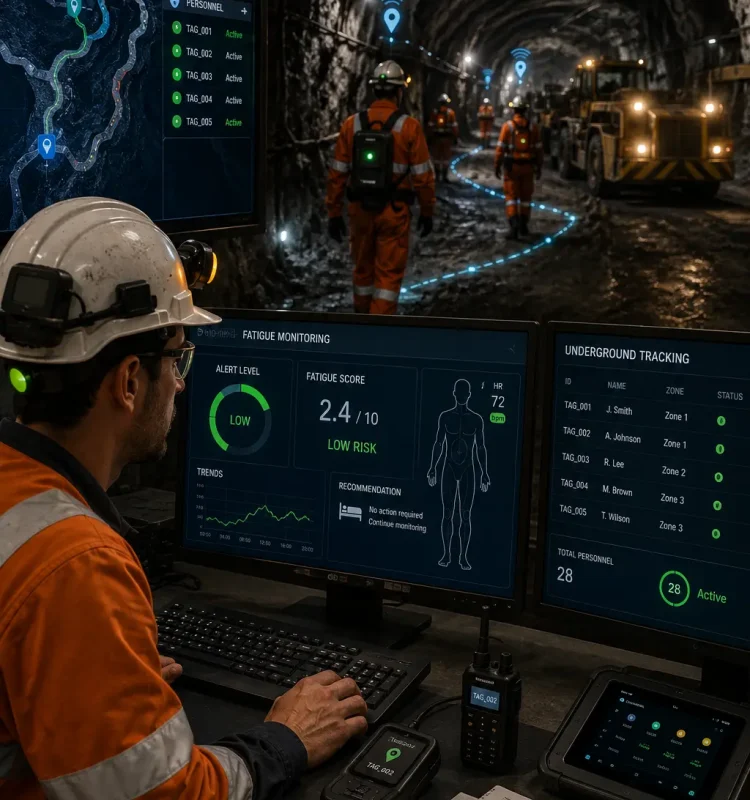
Not all blasts perform equally. When it comes to blast optimisation, there are areas where technical insight into the explosive makes a direct difference to fragmentation, safety and total operating cost — and these are exactly where STX adds value.
Fragmentation
A well-designed blast delivers uniform fragmentation that reduces oversize and improves loading, hauling and crushing performance downstream.
Vibration control
Controlling energy and delay timing reduces ground vibration, fly-rock and air-blast, protecting the surroundings and meeting compliance limits.
Explosive efficiency
Selecting the right explosive and powder factor optimises consumption, avoids waste and improves the cost per tonne of mining blasting.
These areas are connected. Poor fragmentation raises hauling and crushing costs; excessive vibration creates risk and complaints; a miscalculated powder factor inflates cost. That’s why blast optimisation should be approached as an integrated system — and why the explosive, not just the rig, has to be part of the equation.
How a blast is designed and where optimisation happens
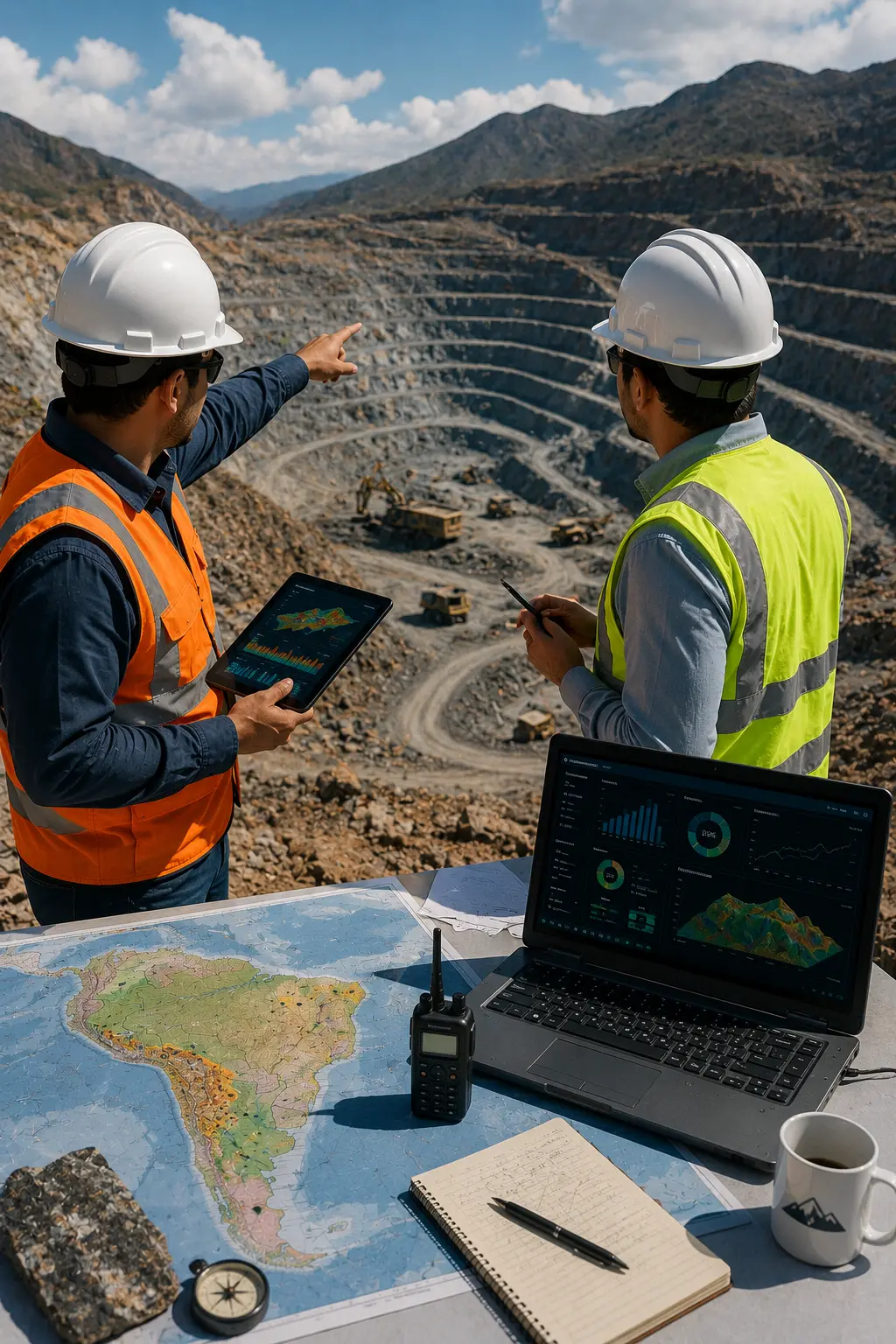
An effective blast is the result of a technical process planned with precision. Each stage influences the next, and an error in any of them shows up as poor fragmentation, higher cost or a safety risk. Understanding the full mining blasting cycle is the foundation for optimising it — and several of those stages depend directly on the explosive.
Stages of the mining blasting cycle
- Blast pattern design based on geology and the fragmentation target.
- Drilling of blast holes at the calculated diameter and depth.
- Selection and charging of the right explosive or blasting agent.
- Connection of detonators and definition of the initiation sequence.
- Application of delay timing to control energy and vibration.
- Firing, results verification and fragmentation analysis.
When mining blasting is designed with expert insight into the explosive, it stops being an isolated event and becomes a productivity lever. Optimising the pattern, the product and the sequence lets an operation extract more with less energy, less vibration and lower downstream cost.
Parameters that define mining blasting performance
Blast performance depends on a set of parameters that must be calculated for the rock and the objective. The table below summarises the key factors in mining blasting, what each controls, and the outcome of good optimisation.
| Blast parameter | What it controls | Expected outcome |
|---|---|---|
| Blast pattern | Distribution and spacing of blast holes across the rock mass. | Uniform fragmentation and less oversize. |
| Explosive type | Energy, density and behaviour of the blasting agent or emulsion. | Better energy use and optimised consumption. |
| Powder factor | Amount of explosive per volume of rock to be fragmented. | Balance between fragmentation and cost per tonne. |
| Sequence & delays | Order and initiation timing of the blast holes. | Control of ground vibration, fly-rock and air-blast. |
The explosive is at the heart of every blast. If your operation wants to improve performance from the product itself, the mining explosives & blasting agents page goes deeper into how emulsion formulation directly drives the quality of mining blasting.
Blast optimisation: more fragmentation, less cost
Optimising mining blasting doesn’t mean simply using more explosive — it means using the right one, the right way. An optimised blast achieves the target fragmentation with the lowest possible energy, reducing loading, hauling and crushing costs. In high-volume operations, a marginal improvement in the blast translates into significant savings across the year — and that improvement usually starts with the explosive.
The starting point of any optimisation is understanding how the explosive behaves in the specific rock of the operation. That’s why emulsion formulation and blast design can’t be treated separately: the product and the pattern must be tuned together for mining blasting to deliver its full performance. This is precisely the gap STX fills — and the gap a drilling fleet, focused on the rig, doesn’t.
What a blast optimisation review covers
- Analysis of current fragmentation and oversize.
- Evaluation of the explosive and powder factor used.
- Review of the blast pattern and burden/spacing.
- Design of initiation sequences and delay timing.
- Control of ground vibration, fly-rock and air-blast.
- Tuning of the emulsion formulation to the rock type.
The advantage of specialised technical support is that it connects the explosive to the result. Instead of treating the blast as a fixed cost, it becomes a variable that can be optimised. That perspective turns mining blasting into a lever for productivity and savings, not an unavoidable expense.
Safety and environmental control in mining blasting
Mining blasting concentrates some of the most critical risks in the operation. A poorly controlled blast can produce fly-rock, ground vibration affecting nearby structures, air-blast, fumes and misfires. That’s why safety isn’t an add-on to the blast: it’s a design condition from the very first hole — and the explosive’s behaviour is central to it.
Good blast management also considers the surroundings. Controlling vibration and fly-rock lets an operation work near communities, infrastructure or sensitive areas without causing damage or complaints. This makes environmental control an integral part of a well-executed blast, not an external restriction.
Safety factors reviewed in a controlled blast
- Exclusion zones and verification before firing.
- Control of fly-rock and air-blast.
- Monitoring and control of ground vibration.
- Management of post-blast fumes.
- Procedures for misfires or initiation failures.
- Safe storage, transport and handling of explosives.
When to bring in blast optimisation support
Bringing in blast optimisation support is advisable when an operation faces fragmentation problems, high explosive costs or vibration restrictions. Often a blast is executed with an inherited design that was never optimised, and specialised technical insight — into the explosive, not just the drilling — can unlock efficiency that was hidden all along.
Signs your mining blasting should be optimised
- Oversize appears, forcing secondary breakage.
- Explosive consumption is high relative to the volume extracted.
- There are complaints or restrictions over vibration and fly-rock.
- Crushing and hauling are affected by poor fragmentation.
- You’re working near communities or sensitive infrastructure.
- You want to reduce the operation’s cost per tonne.
In these cases, support doesn’t replace your drilling and blasting team: it complements it with technical analysis and explosives expertise so that mining blasting delivers better fragmentation, lower vibration and lower cost. It’s the difference between firing a blast and firing it well.
Frequently asked questions about mining blasting and blast optimisation
Is STX a drill and blast contractor?
No. STX Technologies is not a drilling contractor and doesn’t operate rigs or blast crews. STX specialises in explosive formulation, laboratory testing, on-site technical support and blast optimisation. We complement drill and blast teams by improving the result — fragmentation, vibration and cost — from the explosive and the blast design, which is where most performance is won or lost.
What makes a mining blast efficient?
An efficient blast achieves the target fragmentation with the lowest energy and the lowest impact. It depends on the blast pattern, explosive selection, powder factor and initiation sequence. When these are calculated together — with proper understanding of the explosive — mining blasting reduces oversize, vibration and downstream cost.
Why does my blast produce so much oversize?
Oversize usually signals a mismatch between the blast pattern, the explosive and the rock. A miscalculated burden or spacing, an insufficient powder factor or an unsuitable explosive all create uneven fragmentation. A blast optimisation review analyses these parameters and tunes the design — including the emulsion formulation — to deliver more uniform fragmentation.
How are blast vibrations reduced?
Vibrations are controlled mainly through the initiation sequence and delay timing, which spread energy over time instead of releasing it all at once. Charge per hole and overall design also matter. Optimising these elements lets an operation blast near sensitive areas without causing damage or complaints.
How does the explosive affect the blast result?
The explosive is decisive. Its energy, density and behaviour define how the rock fragments. That’s why emulsion formulation and blast design must be tuned together — and it’s exactly where STX’s specialisation lies. Drilling contractors run the rig; STX works on the chemistry and design that drive the actual performance of mining blasting.
Does optimising blasting really reduce cost?
Yes, often significantly. Better fragmentation lowers loading, hauling and crushing costs — stages that are more expensive than the blast itself. Optimised explosive consumption also avoids waste. In high-volume operations, improving mining blasting has a direct impact on cost per tonne, frequently far exceeding the cost of the optimisation work.